Medisi America
  • Home
  • We Are
  • Services
  • News
  • Contact Us
  • en EN
    • en EN
    • fr FR
    • de DE
    • it IT
    • pt PT
    • ru RU
    • es ES

Deep brain stimulation can be effective for severe depression

By Medisi America on 10 octubre, 2019

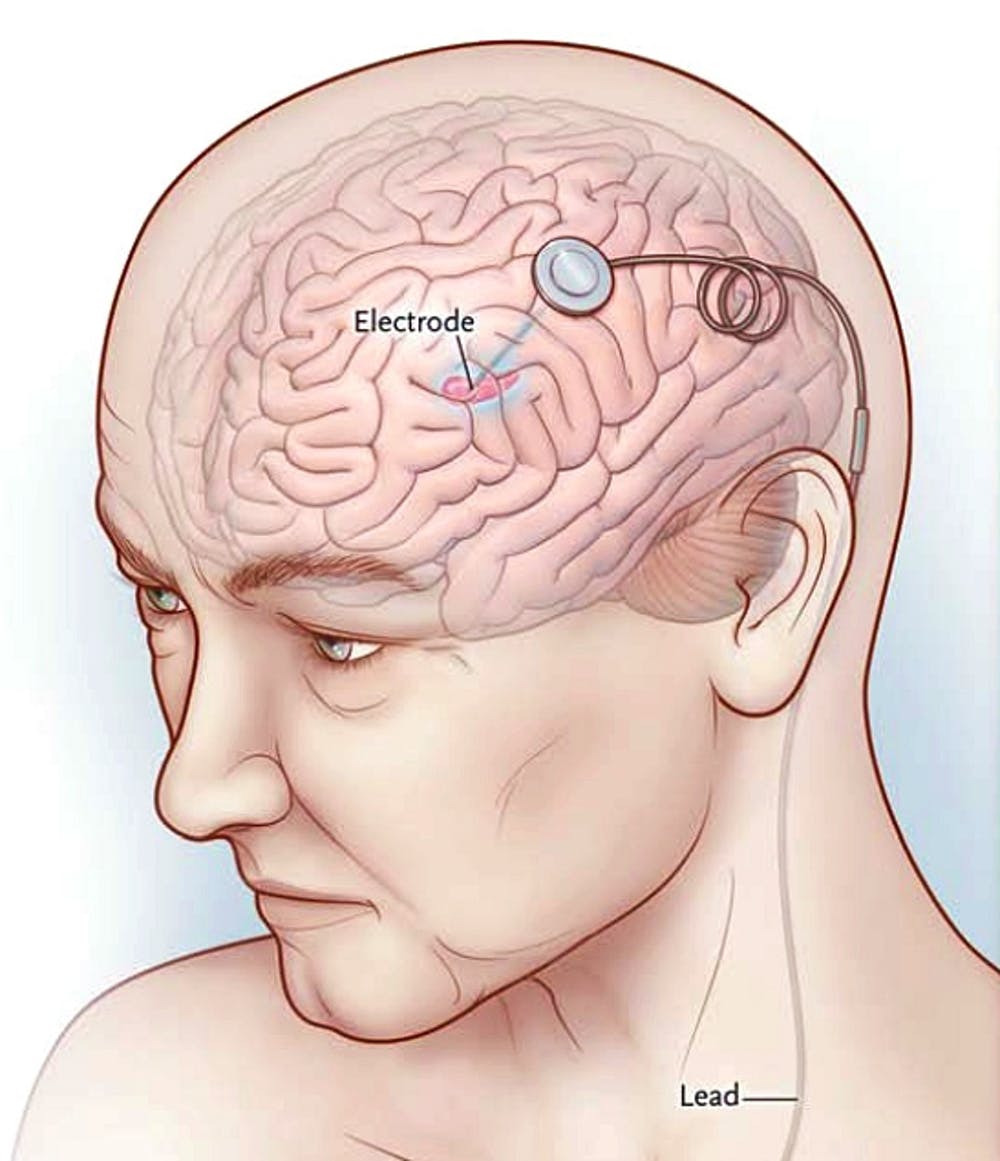
Researchers who monitored people with deep brain stimulation implants for 8 years suggest that the treatment can benefit those with severe depression.

Regulators in the United States have already approved deep brain stimulation for the treatment of Parkinson’s disease, epilepsy, essential tremor, and obsessive-compulsive disorder.

The treatment involves implanting wires into the brain and a stimulator in the chest or abdomen.

The stimulator sends small electrical pulses to the wires along a connection lead under the skin. Doctors sometimes refer to the stimulator as a pacemaker. If you want to read more about this news, click here.
Posted in News, Science.
Share
←  NewerAI-enhanced ECGs may soon assess overall health
Older  →Study: Abbott, Edwards may have mislabeled hundreds of patient deaths

Entradas recientes

  • COFEPRIS Evolves
  • COFEPRIS Challenges 2020
  • ResMed ventilators recall is Class I
  • Finding a non-invasive way to predict effectiveness of cancer therapy.

NEWS

  • Conferences
  • News
  • Science
  • Technology

Deja una respuesta Cancelar la respuesta

Tu dirección de correo electrónico no será publicada. Los campos obligatorios están marcados con *

Related Posts

  • 10 octubre, 2019

    Human trials could start soon on Adam’s 3D printed bone grafts

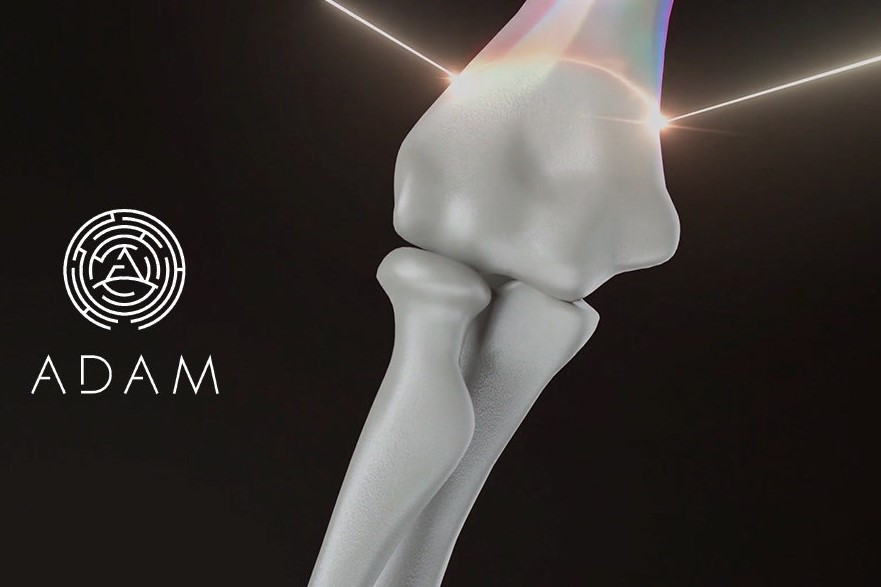
    Adam — a young company with technology to 3D print bone grafts made out of ceramic bioglass and modified biopolymer — said today that it expects first human trials to start by the end of the year. Officials at the Groton, Conn.– and Odessa, Ukraine–based company expect preclinical trials to finish this month. The Adam technology …

  • 10 octubre, 2019

    Study: Abbott, Edwards may have mislabeled hundreds of patient deaths

    Abbott (NYSE:ABT) and Edwards Lifesciences (NYSE:EW) may have mislabeled patient deaths as injuries or device malfunctions in hundreds of FDA adverse event reports involving their transcatheter aortic or mitral valve replacement devices, according to a new study. The study by JAMA Internal Medicine editor Dr. Rita Redberg, former FDA unique device identification (UDI) external program manager Madris Tomes and others examined a total …

  • 19 febrero, 2020

    ResMed ventilators recall is Class I

    FDA today designated a ResMed (NYSE:RMD) recall of certain Stellar non-invasive and invasive ventilators as Class I — the agency’s most serious level. The sound alarm on the ventilators may not work if the device has a failed electronic part, is stored without AC power for more than 36 hours, or powers on automatically when connected …

  • 30 diciembre, 2019

    Finding a non-invasive way to predict effectiveness of cancer therapy.

    «Researchers have taken a critical step toward developing a non-invasive nuclear medicine technique that can predict the effectiveness of therapy for cancerous tumors, allowing for personalized, precision treatment.» Read more.  

  • © 2026 MEDISI America - All rights reserved
  • Home
  • We Are
  • Services
  • News
  • Contact Us
  • en EN
    • en EN
    • fr FR
    • de DE
    • it IT
    • pt PT
    • ru RU
    • es ES