Medisi America
  • Home
  • We Are
  • Services
  • News
  • Contact Us
  • en EN
    • en EN
    • fr FR
    • de DE
    • it IT
    • pt PT
    • ru RU
    • es ES

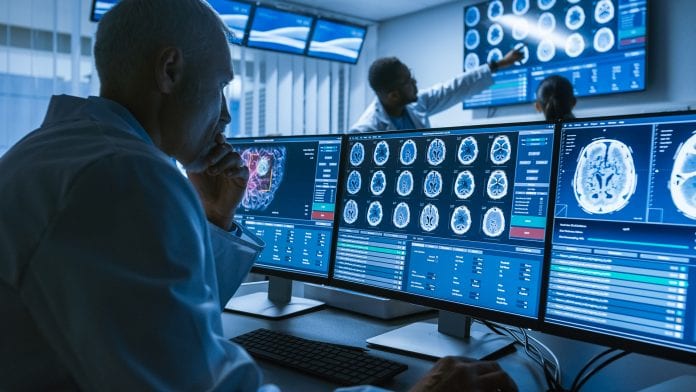
Finding a non-invasive way to predict effectiveness of cancer therapy.

By Medisi America on 30 diciembre, 2019

«Researchers have taken a critical step toward developing a non-invasive nuclear medicine technique that can predict the effectiveness of therapy for cancerous tumors, allowing for personalized, precision treatment.»

Read more.


Posted in News.
Share
←  NewerResMed ventilators recall is Class I
Older  →Medical Devices; Exemptions From Premarket Notification for Class I and Class II Devices

Entradas recientes

  • COFEPRIS Evolves
  • COFEPRIS Challenges 2020
  • ResMed ventilators recall is Class I
  • Finding a non-invasive way to predict effectiveness of cancer therapy.

NEWS

  • Conferences
  • News
  • Science
  • Technology

Deja una respuesta Cancelar la respuesta

Tu dirección de correo electrónico no será publicada. Los campos obligatorios están marcados con *

Related Posts

  • 10 octubre, 2019

    Medtronic announces Infuse spine trial

    Medtronic (NYSE:MDT) said today that it won FDA approval for a clinical trial of its Infuse bone graft in transforaminal lumbar interbody fusion spine procedures. The Minneapolis-based company started recruiting for the prospective, randomized pivotal trial, which is slated to enroll up to 1,000 patients. The TLIF trial would be the second clinical trial for Infuse, …

  • 18 junio, 2019

    Stroke significantly increases the risk of dementia

    In the largest study of its kind, researchers conclude that stroke doubles the risk that an individual will eventually develop dementia. If you want to read more about this news click here.

  • 10 octubre, 2019

    Deep brain stimulation can be effective for severe depression

    Researchers who monitored people with deep brain stimulation implants for 8 years suggest that the treatment can benefit those with severe depression. Regulators in the United States have already approved deep brain stimulation for the treatment of Parkinson’s disease, epilepsy, essential tremor, and obsessive-compulsive disorder. The treatment involves implanting wires into the brain and a stimulator in the chest …

  • 10 octubre, 2019

    Study: Abbott, Edwards may have mislabeled hundreds of patient deaths

    Abbott (NYSE:ABT) and Edwards Lifesciences (NYSE:EW) may have mislabeled patient deaths as injuries or device malfunctions in hundreds of FDA adverse event reports involving their transcatheter aortic or mitral valve replacement devices, according to a new study. The study by JAMA Internal Medicine editor Dr. Rita Redberg, former FDA unique device identification (UDI) external program manager Madris Tomes and others examined a total …

  • © 2026 MEDISI America - All rights reserved
  • Home
  • We Are
  • Services
  • News
  • Contact Us
  • en EN
    • en EN
    • fr FR
    • de DE
    • it IT
    • pt PT
    • ru RU
    • es ES